This post may contain affiliate links, which means I’ll receive a commission if you purchase through my links, at no extra cost to you. Please read my full disclosure for more information.
When I talk about books no one’s heard of before, I generally mean the books that escape the popular BookTok algorithm. Oftentimes, I find the most niche books when researching topics for my own writing projects. That’s kind of how I compile these types of lists for myself. With the exception of the first book, the other four books have been recently released. 📚
Did you know there is a video version of this post? You can watch it here.
1. “Athanasius Kircher: The Last Man Who Knew Everything” by Paula Findlen
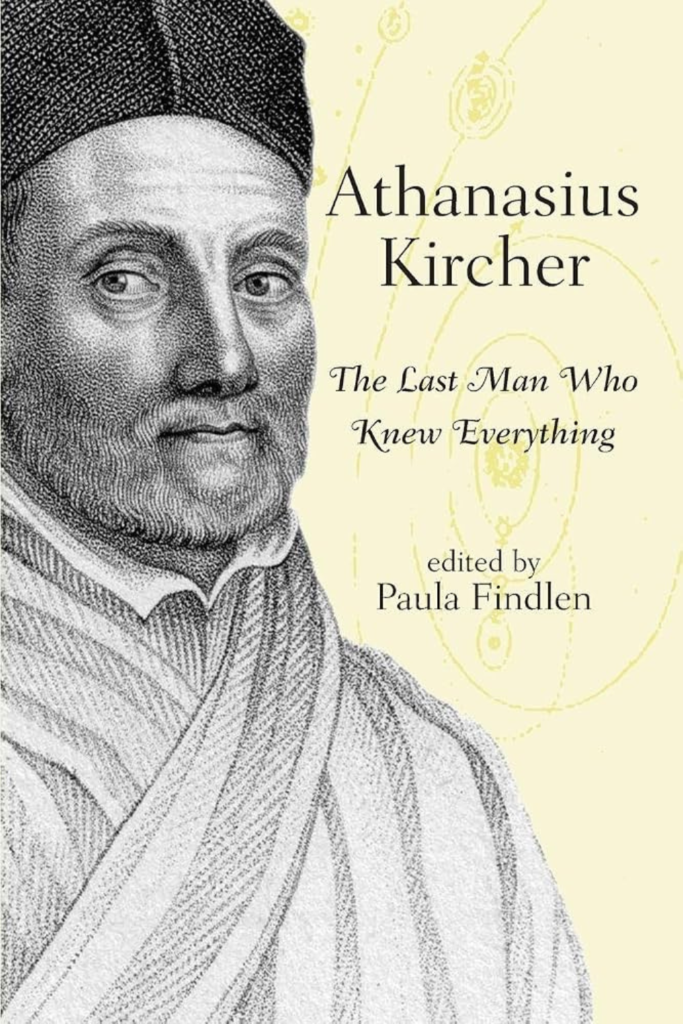
I’ve been meaning to get my hands on “The Last Man Who Knew Everything” for the last six years. I first encountered Kircher in my French Literature Master’s Degree during an Encyclopedic course; I just knew that one day I’d return to him.
Athanasius Kircher (1602-1680) was a German Jesuit, occultist, and polymath. Although he was wrong in his translation of the Egyptian hieroglyphs, he’s known as the man who understood them as mystical symbols rather than phonetic sounds. Essentially, he was lost in the Hermetic sauce. Also, he was the first to realize that Coptic was the key to reading the ancient Egyptian language and oftentimes he’s considered the founder of Egyptology.
Furthermore, he had such a comprehensive grasp of so many mysteries of his time, from the heavenly bodies, sound amplification, museology, botany, Asian languages, and many more.
According to Wikipedia, he published 40 major works of comparative religion, medicine, and geology, he has been honoured with the title “Master of a Hundred Arts,”[and] is often compared to Leonardo Da Vinci, and [he had] set up a cabinet of curiosities that would become the Kircherian Museum.
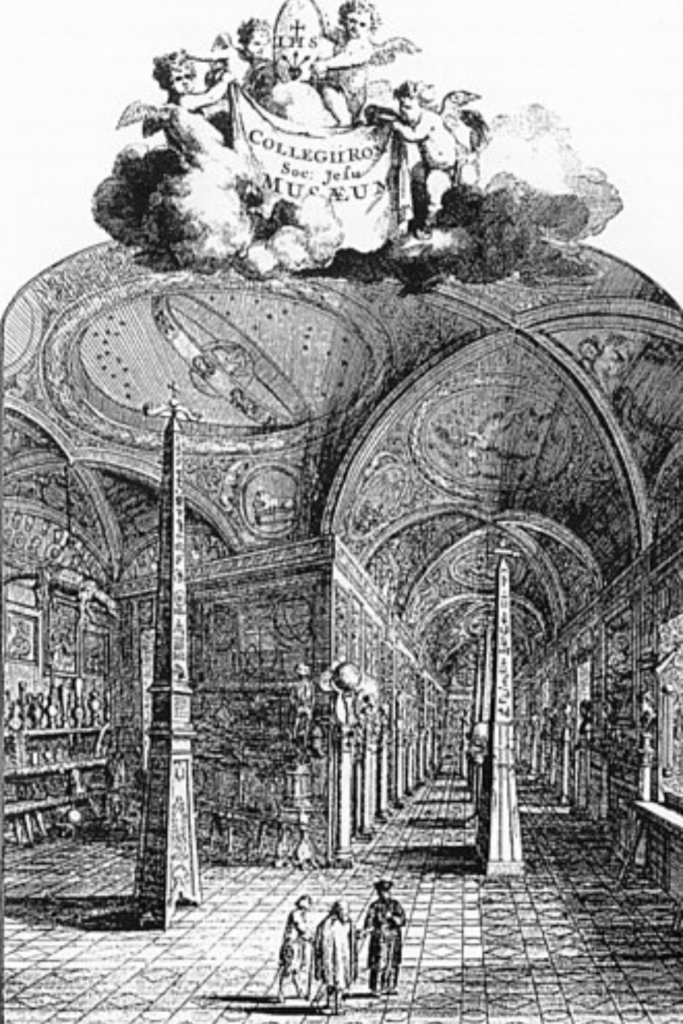
Kircherian Museum, Photo from Wikipedia
This “first museum in the world” no longer exists because of the unification of Italy in 1916 where the items were confiscated and scattered to different museums.
It’s safe to say that I’m intrigued by him and would love to learn more.
2. “When The Forest Breathes” by Suzanne Simard
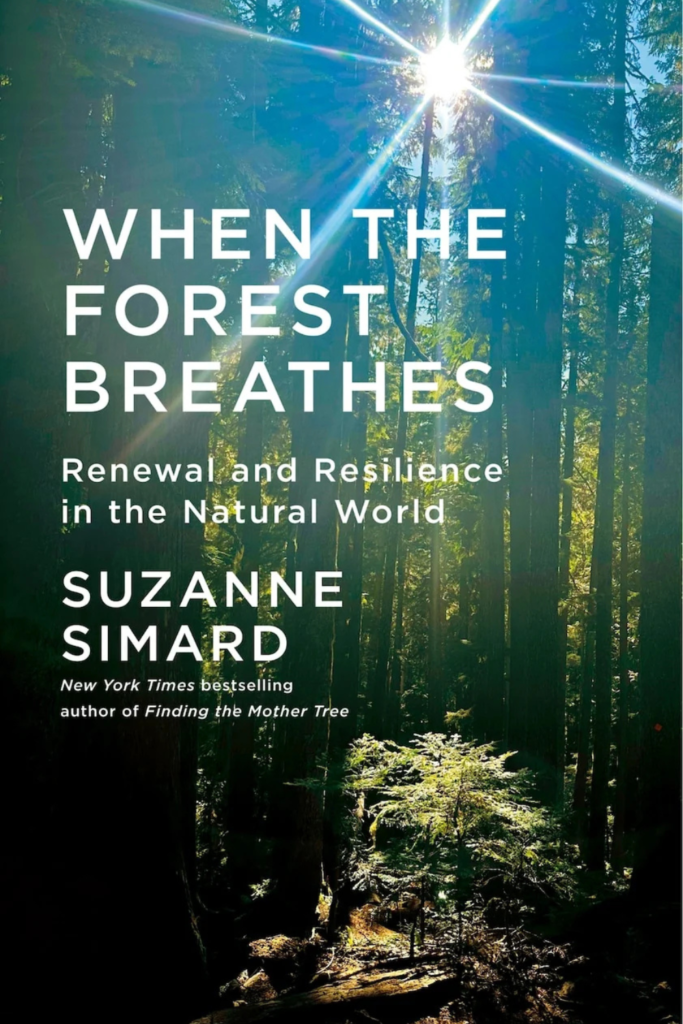
Suzanne Simard is a forest ecologist. She previously released a memoir called “Finding the Mother Tree” in which she discussed how trees evolve, learn each other’s behaviours, and are interconnected communities sustained by fungal networks.
Simard also explains the importance of Indigenous knowledge in conserving the trees, which is perfect for readers who loved “Braiding Sweetgrass” by Robin Wall Kimmerer. I read about 50% of her first book “Finding the Mother Tree” and loved it. I only abandoned it because at the time I jumped ships to another writing project.
And now she has published “When The Forest Breathes” in which she explains the regenerative nature and resilience of forest ecosystems while examining the loss and renewal of her own life. I absolutely love memoirs that blend personal experiences, with science, discovery, wisdom, and the author’s personal field of knowledge.
3. “The Urge: Our History of Addiction” by Carl Erik Fisher
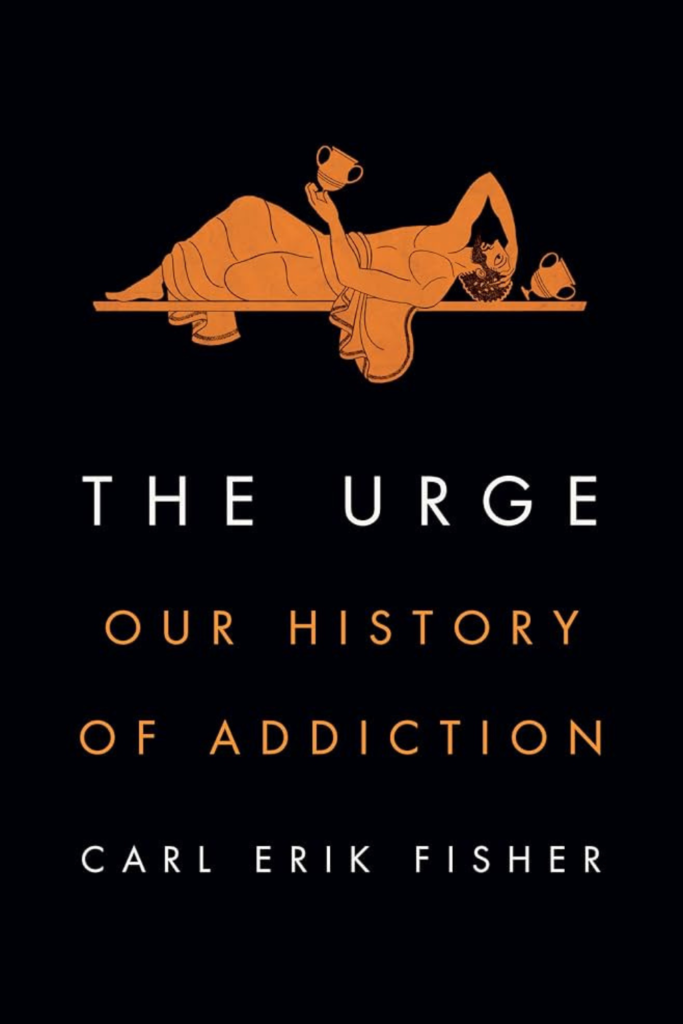
“The Urge: Our History of Addiction” is another part memoir part exploration in the field of research on addiction genesis & recovery.
Boy oh boy, I’m no stranger to addiction. I’m now over 3 years clean and sober, thank you very much.
The author presents his own experiences and lens as a researcher and clinician. Faced with his own addiction, he delves deep into the history of addiction to understand the addiction that has plagued him and his family for generations.
It seems like this book will not only explore the nature and science components of addiction but also its occurrence in religion, literature, philosophy, sociology, and more.
4. “Son of Nobody” by Yann Martel
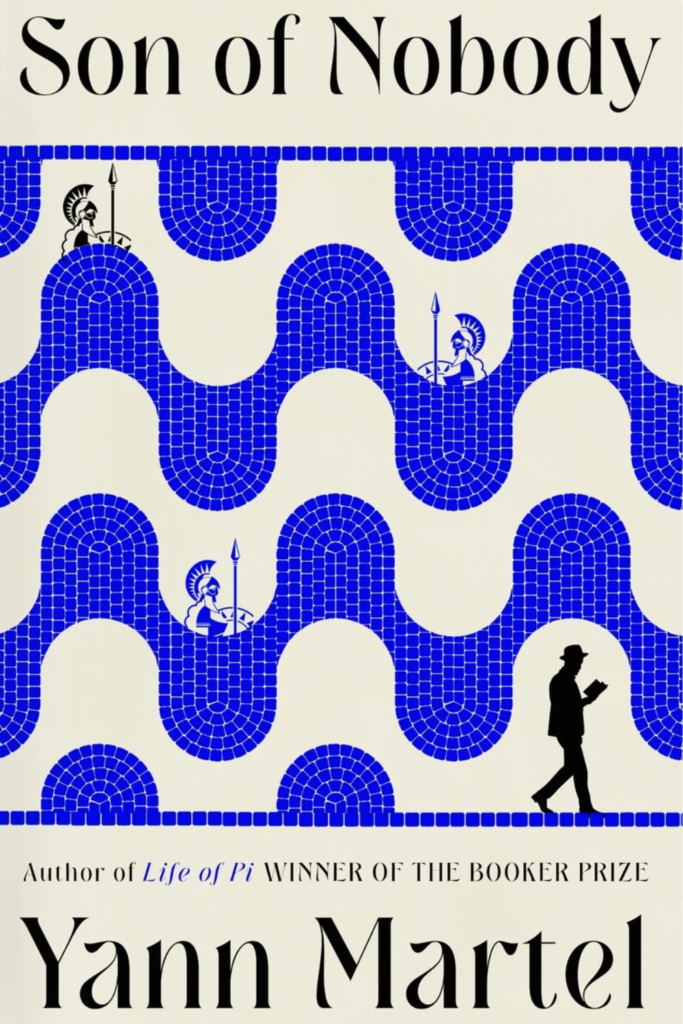
This is the only fiction book on this list. This is Yann Martel’s newest novel, if this author sounds familiar it’s because he was the one who wrote the global bestseller “Life of Pi.”
In “Son of Nobody,” we follow a Canadian Oxford scholar who discovers a lost account of the Trojan War. In his sole translation and in his footnotes, he dedicates the found poem to his daughter who he’s left behind alongside his wife in his academic pursuit. This is an intertwining story about family, ambition, and responsibility in both the ancient and modern world.
With all of the excitement of Christopher Nolan’s version of the “Odyssey” (yes, I did read “The Odyssey” and watched the adaptation in IMAX 70 MM), I’ve been gravitating more and more towards Greek retellings.
5. “Making Art and Making a Living” by Mason Currey
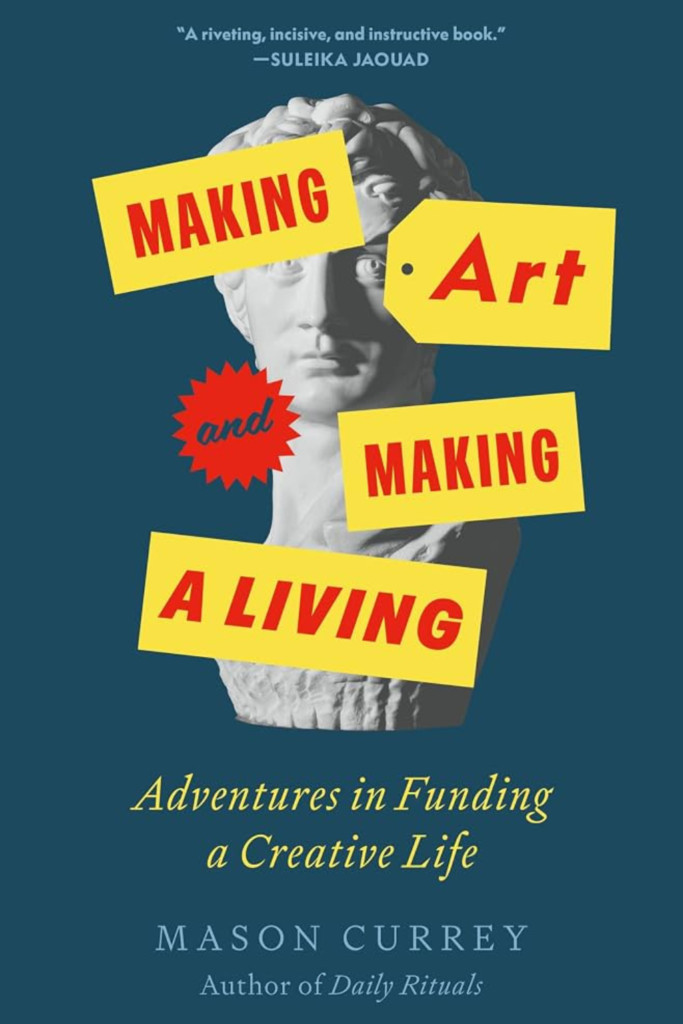
This is Mason Currey’s newest book about artists’ lives. He was the one wrote and popularized the Daily Rituals series, and he runs a Substack newsletter sharing the lives of many modern and past artists. His books and Substack letters are a true treasure trove especially on days I feel creatively blocked.
As for “Making Art and Making a Living,” it explores the many financial ways artists have funded their creatives careers and lives.
I’ve also found it fascinating the many jobs artists — writers, filmmakers, painters, etc. — have had to sustain themselves while creating. Many were not able to have their art be their primary mode of income. Whereas others, in extreme cases, have resorted to finding patrons, mooching on family members, stealing supplies, squandering their inheritance, and many more financial schemes…
In replying to Currey’s newsletter, I started crafting my own list of odd jobs and careers while I worked on my novels. An honourable mention is my short life as a flight attendant. But don’t worry, I look forward to discussing this book and the cost of a creative life on Sandra’s Shelf and on my writing channel as well.
Thank you for reading this post! If you have heard of or read one of these books, please feel free to share your thoughts. What are some books you’ve never heard talked about online?
You can save this pin for later!


Leave a Reply