This post may contain affiliate links, which means I’ll receive a commission if you purchase through my links, at no extra cost to you. Please read my full disclosure for more information.
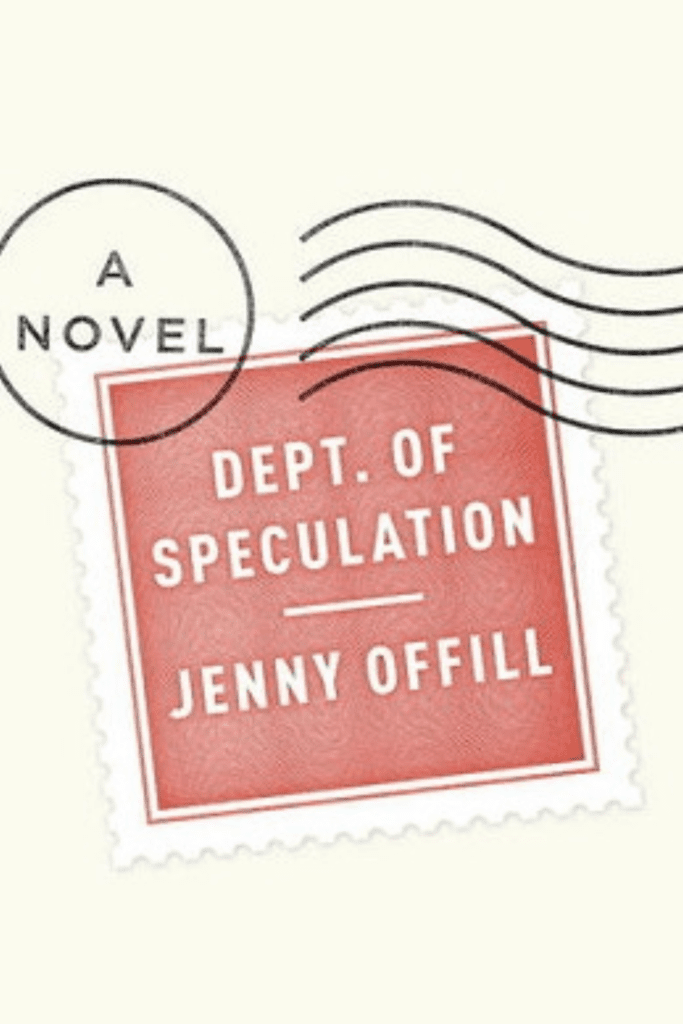
“Dept. of Speculation” is a fictional meditative novel about a crumbling marriage through short vignettes, in which the ‘wife’ narrator struggles between the demands of a desired art life and the reality of a domestic life.
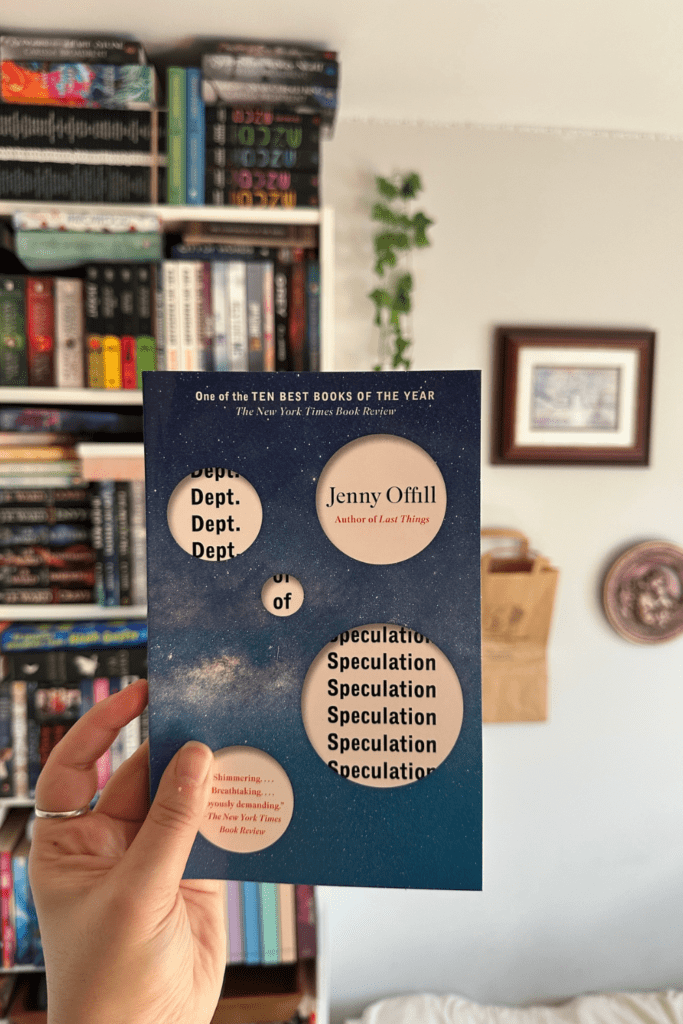
- Date finished: March 15th, 2026
- Pages: 180
- Format: Paperback
- Form: Fiction
- Language read: English
- Series: Standalone
- Genre: Literary Fiction | Contemporary | Romance
As I mentioned, “Dept. of Speculation” is a fictional meditative novel about a crumbling marriage through short vignettes, in which the ‘wife’ narrator struggles between the demands of a desired art life and the reality of a domestic life.
I’m going to be honest. “Dept. of Speculation” was not the book for me. As someone who’s not overly interested in motherhood or even marriage, I still do enjoy narratives that center on the two, especially when it features a woman narrator who is an artist/writer.
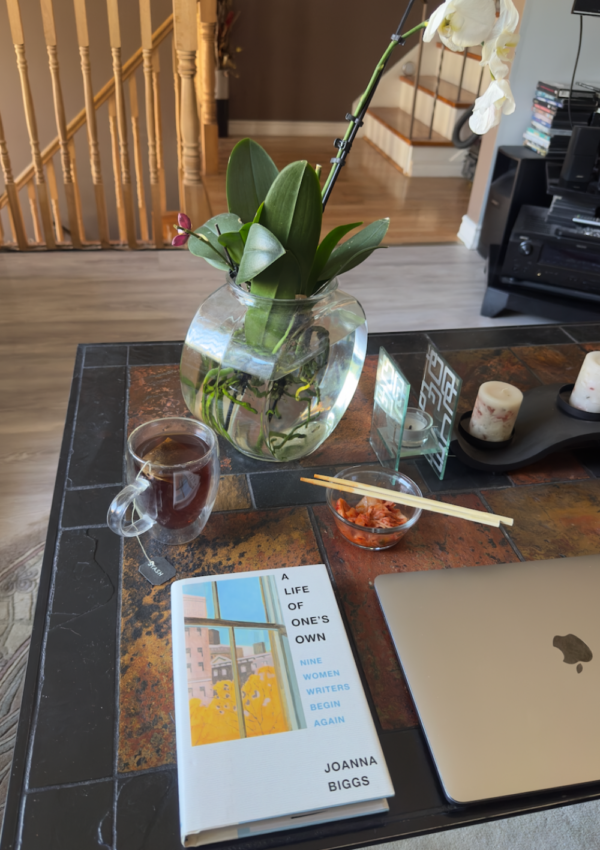
Heck, I even read a whole book about women writers’ lives and marriages in “A Life of One’s Own” by Joanna Biggs. (You can read that review here.)
There are parts, of course, that I’ve enjoyed, such as the passage about women never becoming art monsters:
My plan was to never get married. I was going to be an art monster instead. Women almost never become art monsters because art monsters only concern themselves with art, never mundane things. Nabokov didn’t even fold his own umbrella. Vera licked his stamps for him. (p. 8)
If I’m not mistaken, this might be the author who coined the term art monsters, which further ignited the discourse we’ve been seeing online and in the book world. (One of my favourites in this genre is the biography Life with Picasso by Françoise Gilot, and up next on my TBR shelf is Art Monsters: Unruly Bodies in Feminist Art by Lauren Elkin.)
As this is a meditative narrative, I also enjoyed learning about facts and figures I hadn’t heard about before. The most notable example is the one about NASA’s 1977 Voyager Golden Record project and the back story of the affair between Carl Sagan and Ann Druyan.
The Golden Record included greetings in fifty-four human and one whale language, ninety minutes of music from around the world, and 117 pictures of life on Earth. These pictures were meant to suggest the widest possible range of human experiences. Only two things were off-limits. NASA decreed that no pictures could depict sex and no pictures could depict violence. No sex because NASA was prudish and no violence because images of ruins or bombs exploding might be interpreted by aliens as threatening. (p. 86)
Apart from these two passages, this short novella did not leave a great impression on me despite its rave reviews.
I will, however, pick up other works by Jenny Offill because, despite my tepid introduction to her writing, I am still intrigued to read more by her and see if her writing style will resonate with me in a longer work.
The Manicheans believed the world was filled with imprisoned light, fragments of a God who destroyed himself because he no longer wished to exist. This light could be found trapped inside man and animals and plants, and the Manichean mission was to try to release it. Because of this, they abstained from sex, viewing babies as fresh prisons of entrapped light. (p. 23)
They used to send each other letters. The return address was always the same: Dept. of Speculation.
All of the letters are still in their house; he has a box of them on his desk, as does she. (p. 122)
⭐⭐



Leave a Reply